
If your home still has an older oil tank, you may eventually need heating oil tank removal to prevent leaks, protect your soil, and meet insurance or local requirements. Heating oil tanks do not last forever. As they age, they can rust, corrode, or fail, especially if they have been in place for decades.
Understanding the heating oil tank removal process, the steps involved, and the requirements homeowners should expect can help you plan ahead and avoid costly surprises.
Why Heating Oil Tank Removal May Be Necessary
Many homes built before the 1990s still rely on heating oil tanks located in basements or underground. While these systems were once common, aging tanks eventually require heating oil tank removal because corrosion, leaks, and insurance requirements can create risks for homeowners.
There are many reasons why a homeowner may need the services of a tank removal company. These include:
- A tank is over 20-30 years old
- Rust and corrosion are visible
- Leaks or petroleum smells are present
- Changing from oil to gas or electric
- A home inspection has identified the tank during the sale of the home
- The insurance company requires the removal of the tank
Types of Tanks Involved in Heating Oil Tank Removal
It is always helpful to know the type of tank you have in your yard before you begin the removal process. Generally, heating oil tanks have one of two locations.
Underground Oil Tanks
Underground storage tanks (USTs) are buried in the ground. This type of tank will likely rust because of the moisture and other environmental conditions. Special equipment and soil sampling will be necessary.
Above-Ground or Basement Tanks
Above-ground tanks are usually located in the basement. They will rust at some point and will have to be removed.
Our Heating Oil Tank Removal Process
Heating oil tank removal follows a structured process designed to protect both the property and the surrounding environment. We follow these steps to ensure your removal is carried out smoothly and efficiently.

1. Inspection and Evaluation
The first step in the heating oil tank removal process is to inspect the tank to determine its location, size, condition, and accessibility. At the same time, the contractor will check for any signs of leaks.
2. Permits and Notifications
Heating oil tank removal permits are usually required for the process to take place. This is usually done by the contractor.
3. Pumping and Cleaning the Tank
Any remaining oil in the tank is pumped out to a disposal site. The tank is then cleaned to remove any residue.
4. Tank Removal
Our experts will remove the tank depending on its location:
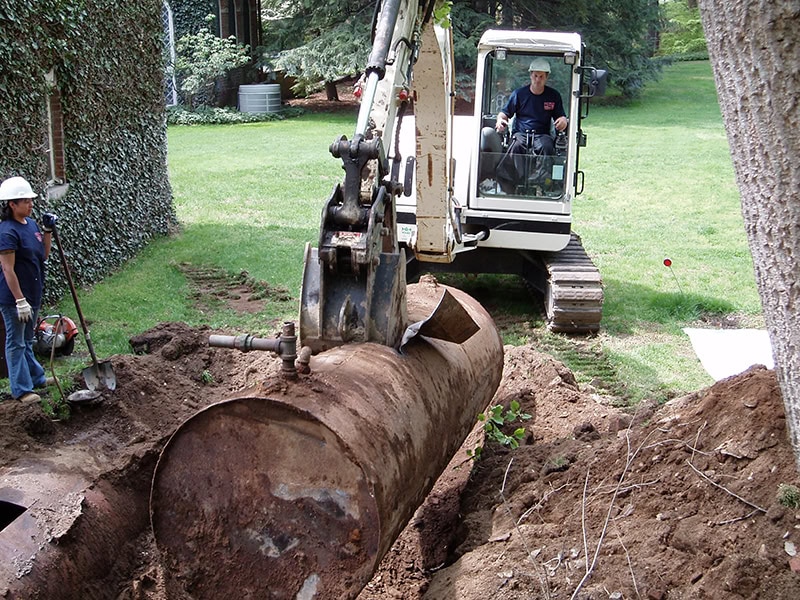
- Underground heating oil tanks are excavated using heavy equipment and lifted from the ground.
- Basement or above-ground tanks are typically cut into sections for safe removal from the home.
5. Soil Testing
If there is a possibility that the tank leaked, soil tests can be conducted to check for any presence of contaminants. Soil testing is important because even small oil leaks can contaminate soil and groundwater. If contamination is detected, soil remediation may be required before the property can be fully restored.
6. Proper Disposal
The tank and any other accompanying materials are hauled to a recycling center for proper disposal in accordance with environmental regulations.
7. Site Restoration
After the tank is removed from the site, the area is filled with soil to leave the site in a safe state.
Heating Oil Tank Removal Requirements
There are certain requirements for the oil tank removal process, and these are based on the need for groundwater and other properties to be protected from the effects of the oil tank. These include:
- Obtaining the necessary permits for the oil tank removal from the local authorities
- Pumping and disposing of the oil and sludge
- Soil tests in case of leakage
- Documentation of the oil tank removal and disposal
- Remediation in case of contamination
For Connecticut, the oil tank removal involves compliance with the guidelines provided by the Department of Energy & Environmental Protection (DEEP).
A contractor can be hired for the oil tank removal job in order for the work to be done in compliance with the regulations.
How Much Does Heating Oil Tank Removal Cost?
The cost of the removal of the oil tank may depend on some factors, including:
- The size and capacity of the tank
- The tank is either underground or above ground
- The accessibility of the tank location
- Soil tests are required or not
- Presence of contamination
- Above-ground tanks are less expensive, while underground tanks may require more work.
Why Professional Heating Oil Tank Removal Matters
Oil tank removal is not just demolition work. It is an environmentally safe practice that ensures proper waste disposal.
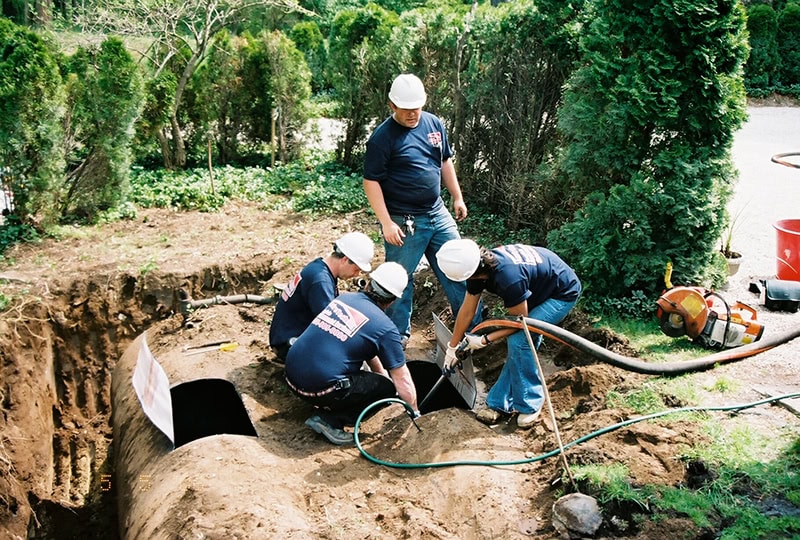
Professional oil tank removal services ensure:
- Proper oil and sludge removal
- Proper oil tank removal techniques
- Proper soil testing, if necessary
- Proper documentation, especially in property records and real estate deals
- Compliance with environmental laws
Working with an experienced oil tank removal service is an environmentally safe practice.
What Homeowners Should Know About Heating Oil Tank Removal
Heating oil tank removal is a significant process in ensuring that you have a safe and environmentally friendly property. Whether you are looking to replace an old heating system, sell a property, or suspect a leak, it is advisable to remove an old heating oil tank. This will ensure that you do not have problems in the future.
It is, therefore, essential to understand the process of heating oil tank removal. This will help you prepare in advance to avoid any surprises.
Need Help With Heating Oil Tank Removal?
Envirotech of Fairfield County is dedicated to providing heating oil tank removal services in Connecticut. Our experts will assist you in all aspects of heating oil tank removal, including inspection, permits, removal, soil testing, and documentation.
Contact us today to book an evaluation.