
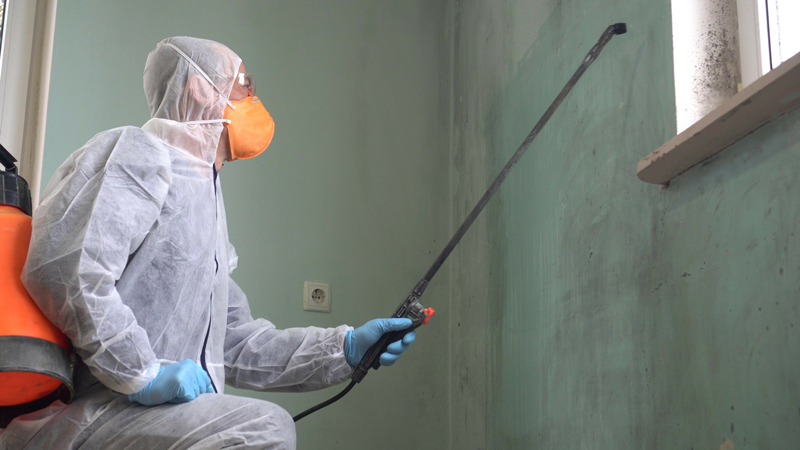
Remediation in construction is the process of identifying, containing, and safely addressing hazardous conditions before a space can be repaired, renovated, or occupied. These conditions can include mold growth, asbestos, lead-based paint, contaminated dust, or moisture issues that can impact health, safety, and/or building integrity. Remediation ensures these risks are controlled or eliminated so construction work can move forward safely and the site can be used with confidence.
Remediation is not Band-Aid work. Remediation deals with problems that present potential health and safety hazards or environmental concerns, and some times are necessary before commencing construction.
Why Remediation Is Necessary Before Construction
Remediation makes the site safe and stable before repairs start. If there’s mold, smoke residue, contaminated dust, or sewage, you can’t just build over it. Remediation removes the hazard and prevents spread, so contractors can rebuild on a clean, dry surface, and the repair actually holds up. In construction, remediation refers to a controlled cleanup or removal of a damaging substance or condition at a construction site.
Remediation activity is usually necessary when there are materials or conditions present that might affect:
- Human health
- The structure’s integrity
- Environmental safety
- Compliance with local, state, or federal regulations
Contrary to common repairs, remediation requires specific processes, and, in many cases, testing, documentation, and disposal.
Common Forms of Remediation in Construction
Remediation may be done in various ways depending on the matter involved. The most common types of remediation include:
Soil Remediation
This includes removing and mitigating soil contamination caused by petroleum spills, old oil tanks, and chemical spills. It will also require removing and disposing of soil that has been contaminated before construction can occur.
Mold Remediation
Mold remediation refers to the elimination of the growth of molds that result from problems with moisture and flooding. Mold remediation entails isolation and removal of the affected material and correction of the moisture problem.
Asbestos Remediation
Older buildings may contain asbestos in insulation, flooring, or other materials. Asbestos remediation involves safely removing or encapsulating these materials according to strict regulations.
Lead Paint Abatement
In older structures, lead-based paint can indeed pose serious health risks. Remediation may include removal, encapsulation, or replacement of the affected surfaces.
Oil Tank Removal and Cleanup
Remediation might be in order when oil tanks leak or fall out of use, a process that involves the removal of the tank and possible cleaning of the soil in advance of new construction or property conveyance.
How Remediation Relates to a Construction Project
Remediation is generally undertaken prior to major construction activity commencing. In the majority of instances, remediation activity may become apparent during:
- Pre-construction site evaluations
- Assessment of environmental issues
- Home Inspections Related to Real Estate Transactions
- Insurance or lender required testing
Once remediated properly, construction work is able to proceed without any risk issues as well as legal concerns.
Remediation vs. Abatement: What’s the difference?
These terms get used interchangeably, but they’re not the same thing.
Abatement is focused on reducing or eliminating exposure to a specific hazard, most commonly asbestos or lead-based paint. It usually involves controlled work practices like containment, specialized removal methods, and careful cleanup because the goal is to keep hazardous fibers or dust from spreading.
Remediation is broader. It’s the process of making an area safe and usable again, which often means not only cleaning up the issue, but also addressing what caused it so it doesn’t keep coming back.
Quick example:
- If a building has asbestos-containing materials, abatement is the controlled process used to remove, encapsulate, or otherwise manage that asbestos safely.
- If a space has mold, remediation typically includes removing affected materials, thoroughly drying the area, and fixing the moisture source that caused the growth in the first place.
Why Professional Remediation Matters
Remediation construction is not a DIY process. It may involve:
- Specialised training and equipment
- Proper containment and safety procedures
- Environmental testing and verification
- Approved methods of disposal
- Compliance with detailed documentation
This leads to improper remediation, potentially causing ongoing health risks, failed inspections, and construction delays, all of which are linked to long-term liability.
When is remediation required?
Remediation may be required when:
- Testing in the environment reveals contamination
- Building codes or regulations specify cleanup
- An inspector indicates dangerous conditions
- A lender/insurer may need corrective action
- A property owner wishes to remove risks for the future
In most instances, remediation is not elective but rather obligatory to move forward safely and legally.
Why Remediation Is a Critical Step in Construction
Remediation in the construction industry is all about ensuring that properties are made safe before they are reconstructed, renovated, or occupied. Whether it is a matter of soil remediation, mold remediation, or any other hazardous material remediation, it acts as a protective measure for people, property, and the environment.
Bringing a clear understanding of the importance of remediation can empower property owners to make educated decisions that will forestall surprises during the construction phases.
Need Help With Construction Remediation?
Removing all of this is a service that can be provided by Envirotech of Fairfield County at a professional level by removing soil contamination, mold, and other environmental issues from a property.
Contact us today to learn more information regarding remediation services and how they can be involved in your construction project.